REVIEW · PARIS
Hiking Adventure in Van Gogh’s Footsteps with 6 miles walk
Book on Viator →Operated by GO HIKING PARIS · Bookable on Viator
Van Gogh on foot beats museum time. This small-group hike from Paris to Auvers-sur-Oise turns a few famous paintings into real streets, paths, and landmarks you can actually stand in front of. You’ll walk about 6 miles (often more in practice), with coffee/tea and snacks, guided by someone who ties the art to the places.
What I like most is the outdoor pace of it. Instead of rushing through galleries, you get a morning reset and then an art lesson delivered while you’re moving through the countryside.
One thing to consider: it’s not a stroll. You need moderate fitness, the pace can feel brisk, and you’ll want good shoes and enough water.
In This Review
- Key highlights to know before you go
- Van Gogh on foot: what this day trip really feels like
- Starting at Gare du Nord and walking the River Oise
- Small group pacing: great for attention, faster than you might expect
- Chateau d’Auvers gardens: a break in the right place
- Auvers-sur-Oise village: the last 70 days mapped on streets
- Notre-Dame d’Auvers: the church behind the Orsay connection
- Cimetiere Auvers-sur-Oise: a quiet endpoint with meaning
- What’s included (and what you must bring)
- Timing, distance, and the fitness reality check
- Price and value: what $96.79 buys you
- Should you book this Van Gogh footsteps hike?
- FAQ
- How long is the hike?
- How many miles will I walk?
- Where do I meet and when does it start?
- What language is the tour offered in?
- What’s included in the price?
- Is lunch included?
- Do I need to pay admission tickets?
- Should I bring water?
- How big is the group?
- What happens if the weather is bad?
Key highlights to know before you go
- Small group (max 10) for more back-and-forth with the guide, not just one-way talking
- River Oise start that quickly pulls you out of central Paris
- Van Gogh’s last 70 days traced through the village streets and key locations
- Church + cemetery stops tied to major works you’ve seen in famous museums
- Coffee/tea plus snacks included, with lunch left for you to bring
- Fast pace by design, so plan for a workout, not a slow photo walk
Van Gogh on foot: what this day trip really feels like
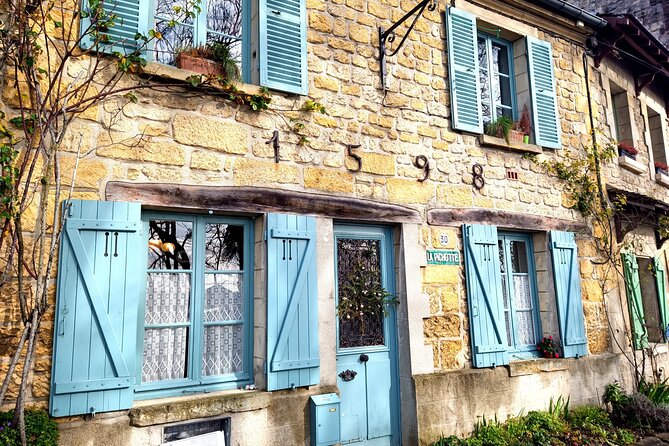
This is the kind of outing where Paris stops being the main character. You meet at Gare du Nord (18 Rue de Dunkerque), head north along the River Oise, and spend your morning and early afternoon in the world that shaped Vincent Van Gogh’s final period.
The big value here is the mix: you’re seeing the places, but you’re also getting the story that makes those places click. One moment you’re walking through a village that still looks preserved and intact; the next, you’re standing near a church connected to a painting you likely recognize from elsewhere in Paris.
You also get a small-group setup. With a maximum of 10 people, it’s easier for the guide to check in, answer questions, and keep the group moving at a workable pace. Reviews often mention the guide’s energy and how he can tailor explanations to what you’re most curious about, which matters if you’re not a hard-core art historian.
The tradeoff is that you can’t treat this like a casual stroll. The route runs about 6 miles on paper, and many people report it closer to 7–8 miles depending on pace and how tightly the group moves between stops. If you hate being on a schedule, this may feel like a push.
You can also read our reviews of more hiking tours in Paris
Starting at Gare du Nord and walking the River Oise
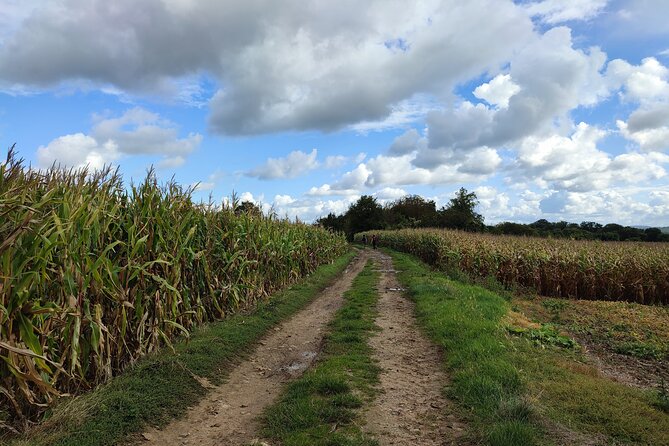
Your day starts at 8:00 am at Gare du Nord. From there, you’re not just traveling to Auvers—you’re walking out of the city feel. The river path along the Oise is a strong early payoff because it sets the tone: calm water views, open space, and fewer crowds than you’d expect compared with staying in central Paris.
This matters for two reasons. First, it makes the day feel like an experience, not a bus ride with occasional photo stops. Second, it’s practical: you can settle into the walk early, before the village and tighter streets take over.
The tour runs about 5 hours on paper, but your real time will depend on your pace, the weather, and how long you pause for photos. If you want a simple rule, think half-day outdoors, then back to the meeting point afterward.
One more practical note: public transport fees are not included. So even though the tour returns you to the meeting point, you should be ready to cover any train or transit costs used during the experience.
Small group pacing: great for attention, faster than you might expect
A group of up to 10 is a big deal for this kind of tour. You’re not getting buried in background noise, and it’s easier to ask small questions like how a particular composition might have been influenced by what you’re seeing around you.
But small-group can also mean fast-group. The walk is structured, and the guide keeps you moving so you hit each stop on time. In real life, that translates into a brisk pace—especially between the village points—so you’ll want to wear shoes you can walk fast in, not just shoes you can walk in for 20 minutes at a time.
If you’re sensitive to pace, don’t panic. One review describes the hike as mostly flat, with an uphill section. That’s a helpful expectation. Still, you’re covering real distance and spending time outdoors, so build comfort into your planning: breathable clothing, layers for changing weather, and a small snack strategy so you don’t feel rushed when you do stop.
Chateau d’Auvers gardens: a break in the right place
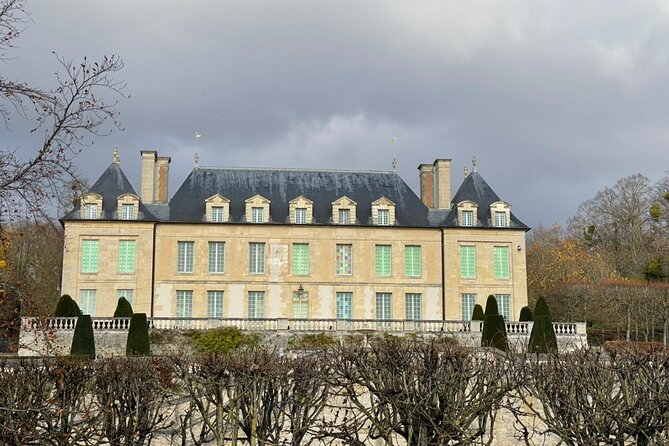
The first stop is Chateau d’Auvers. You enter the area and take a 30-minute break in the jardin à la française (French formal garden). The museum itself is not included, so you’re not signing up for a full chateau visit. Instead, you’re getting a scenic pause that fits the walking rhythm.
What makes this stop worth it is timing. It’s early enough to refresh you, but it’s also close to the village area, so you transition smoothly from open river/countryside walking to the more art-saturated streets of Auvers.
The potential drawback is also clear: since the museum isn’t included, you shouldn’t expect a long indoor history stop here. If you’re the type who wants to spend your breaks inside a building, you’ll need to manage that expectation. Think of this as your chance to regroup in a beautiful setting, not as an all-day museum detour.
Also remember: lunch isn’t included. Even if it feels like you’ll be at a castle, you’re still responsible for bringing your packed lunch.
Auvers-sur-Oise village: the last 70 days mapped on streets
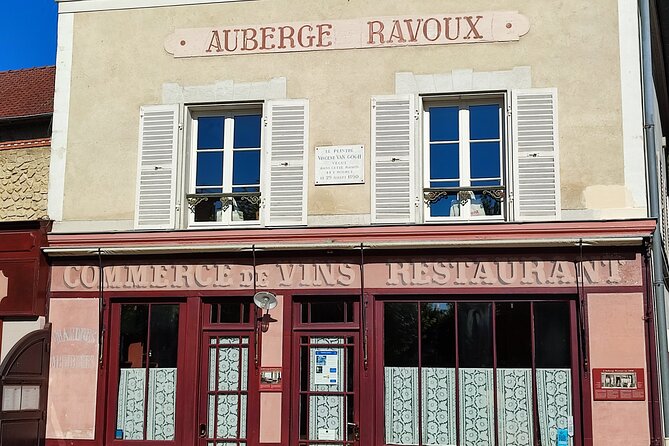
This is the heart of the experience: Auvers-sur-Oise, where Van Gogh spent his last 70 days. The guide walks you through the village and points out locations tied to his work—along with the house where he stayed and died.
This is the part that turns “I’ve seen his paintings” into “I understand why those scenes mattered.” When you see the village in context—streets, building shapes, and the general layout—you start to notice how an artist might have found recurring visual themes simply by living in a place long enough.
One practical upside is that you’re not doing this in a crowded free-for-all. The day is built around a guided flow, which helps you keep track of what you’re seeing and why it matters. You’re also in a smaller group, so you can ask follow-up questions instead of waving your arms at a guide from the back.
The main consideration here is time on foot. The village stop is about an hour, which is great, but it can still feel quick if you love lingering for photos. If that’s you, plan to accept that this tour prioritizes movement and interpretation over unlimited stop-and-start.






Notre-Dame d’Auvers: the church behind the Orsay connection
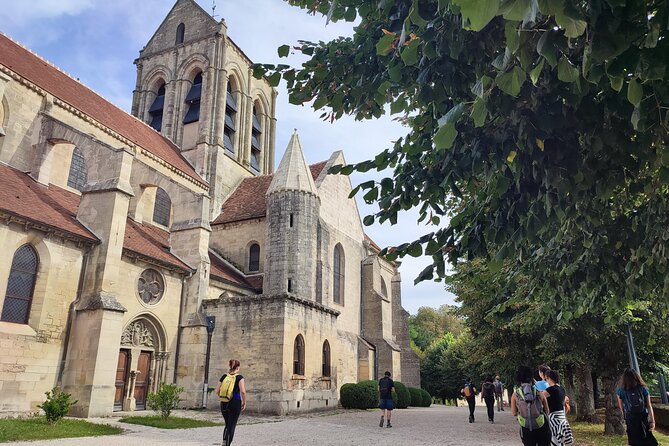
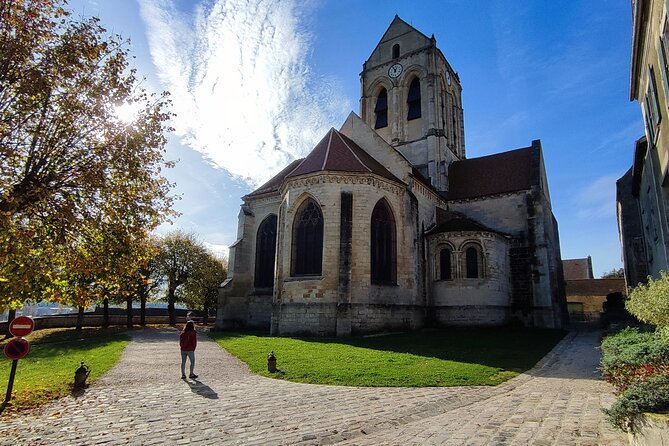
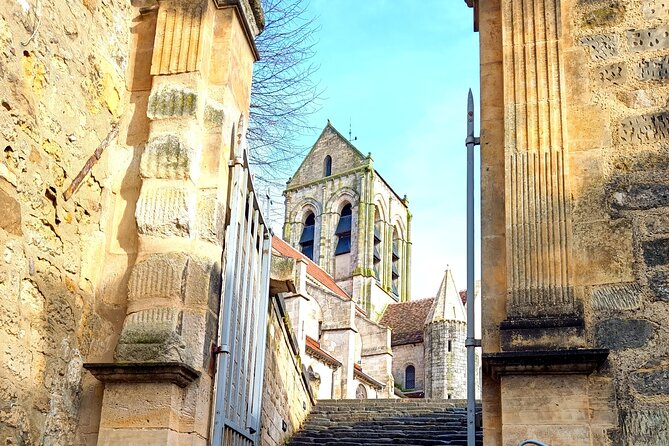
Next comes Eglise Notre-Dame d’Auvers, tied to one of Van Gogh’s most famous church paintings. The stop is brief (about 10 minutes), but it’s designed for recognition: you’re seeing the real building connected to a painting you may have seen in Paris, including at the Musée d’Orsay.
Even if you’re not sure which painting it is, you’ll know the moment you’re there. The guide can connect the visual elements in front of you to what made that church memorable in Van Gogh’s work.
Since this stop is short, your best move is to use it intentionally. Don’t treat it like a random photo spot. Look first, listen second, then take photos quickly so the group stays on track.
The other thing to note: this is a walk-focused tour, not a slow gallery experience. If you want 30 minutes at every view, you may find the schedule a bit tight.
Cimetiere Auvers-sur-Oise: a quiet endpoint with meaning
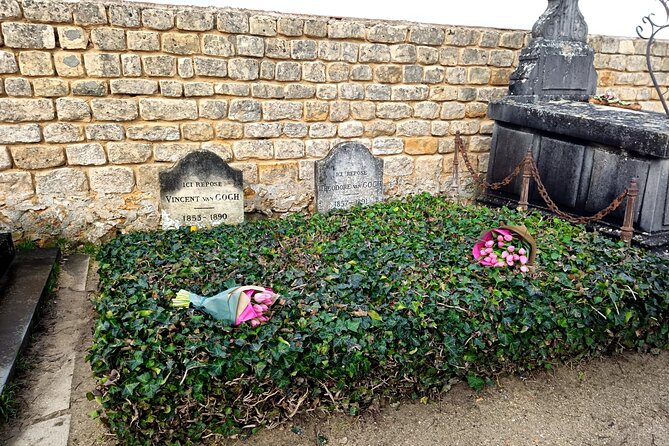
The final stop is the Cimetiere Auvers-sur-Oise, where Van Gogh is buried. Like the church stop, it’s short (around 10 minutes), but it carries the emotional weight the rest of the tour is building toward.
I like this structure: you spend the morning learning how the places connect to the art, and then you end with the place connected to Van Gogh’s life story. It helps the day feel complete instead of scattered.
Because you’re outdoors, you’ll want to keep the essentials close: comfortable shoes, a phone battery plan if you’re taking photos, and layers if the weather turns cool near the end. Even short stops can take longer if you pause for a moment and the group has to gather back together.
What’s included (and what you must bring)
This is where you’ll either feel prepared or mildly annoyed. The tour includes coffee/tea and snacks. Those small comforts matter on a walk day.
You must bring:
- A packed lunch (not included)
- Bottled water or enough water yourself (1.5L is recommended)
- Any additional snacks if you know you get hungry
Also double-check your plan for transit costs since public transportation fees are not included.
If you take one practical tip from how the day is designed: pack like you’re hiking, not like you’re sightseeing. Bring water you’ll actually drink. Bring a lunch you can eat fast. And bring something small in case the pace runs quicker than you expected.
Timing, distance, and the fitness reality check
The experience is described as an approximately 5-hour tour and marketed as a 6-mile walk. In practice, many people report closer to 7–8 miles, and one review also mentions a fast pace even when the route is mostly flat. That’s the key tension: manageable terrain, but still real distance and momentum.
If you have moderate fitness, this is likely workable. The hike is not described as extremely technical. One short uphill section comes up more than once. But the pace can still make the climb feel steeper than it looks on a map.
My advice: show up with the mindset that you’ll be walking for most of the day, even if there are brief stops. If you’re the type who wants to stop every 5 minutes for a photo, you may feel slightly rushed.
Weather matters too. The experience is weather-dependent, and if conditions are poor, you’ll be offered another date or a refund. One review mentions a rain disruption handled with a short bus ride before resuming. So yes, plan for adjustments, and pack for the possibility of damp paths.
Price and value: what $96.79 buys you
At $96.79 per person, you’re paying for more than a route on a map. You’re buying:
- A small-group guide (max 10)
- Interpretation that ties Van Gogh’s life to the exact places you visit
- Stops focused on the story, with free admissions noted for each location on the route
- Coffee/tea and snacks that keep you comfortable during the walking stretch
Because lunch and bottled water aren’t included, your total day cost will depend on what you pack and any transit fees you cover.
Still, for many people, the value comes down to this: the guide helps you see what you’d miss on your own. You can follow a route online, sure, but connecting the sites to Van Gogh’s final days—and doing it at the right rhythm—often takes a guide to make it feel meaningful.
If you want a day that blends art and outdoor time outside the city core, the price feels reasonable for the structure you get.
Should you book this Van Gogh footsteps hike?
Book it if you want:
- A half-day out of central Paris with real walking time
- Van Gogh locations tied to the paintings, including the church and cemetery connections
- A small group experience where the guide can answer questions and keep you on track
Skip it (or choose another option) if you:
- Hate brisk paces and dislike tight schedules
- Need long, slow stops for photos or extended museum time
- Prefer sightseeing that is more indoor than outdoor
One smart approach: if you love Van Gogh but hate crowds, this kind of route can feel like you get the countryside and the art lesson at the same time. Just bring water, wear proper shoes, and be ready to walk.
FAQ
How long is the hike?
It lasts about 5 hours.
How many miles will I walk?
The experience is listed as a 6-mile walk, and the route may feel longer in practice depending on pace.
Where do I meet and when does it start?
You meet at Gare du Nord, 18 Rue de Dunkerque, 75010 Paris at 8:00 am.
What language is the tour offered in?
The tour is offered in English.
What’s included in the price?
Snacks are included, and coffee/tea are provided during the tour.
Is lunch included?
No. Lunch is not included, and you’ll need to bring a packed lunch.
Do I need to pay admission tickets?
Admission is listed as free for the main stops, and the Chateau d’Auvers museum is not included.
Should I bring water?
Yes. Bottled water is not included, and 1.5L is recommended.
How big is the group?
The tour has a maximum of 10 travelers.
What happens if the weather is bad?
The experience requires good weather. If canceled due to poor weather, you’ll be offered a different date or a full refund. You can also cancel for a full refund up to 24 hours before the start time.