REVIEW · PARIS
15 Burgundy Wines Chateau Pommard, Chablis Small-Group
Book on GetYourGuide →Operated by Clewel Travel · Bookable on GetYourGuide
Three tastings, one long Burgundy day. This 7-person small-group trip links Chablis and Pommard with 15-glass tastings and hotel-to-hotel transport, so you’re not stuck figuring anything out. The trade-off is time: you’ll spend a lot of it on the road, and lunch is on you.
You start with a cave-style visit at Jean-Marc Brocard and work your way up through 1er Cru and Grand Cru styles, then finish at Château de Pommard with a professional sommelier. If you like clear explanations and structured comparisons, this is a smart way to “see” Burgundy through glass—not just through scenery.
In This Review
- Key things that make this wine day work
- From Paris to Chablis: the long highway part (and how to handle it)
- Jean-Marc Brocard in Chablis: caves, process, and comparing Grand Cru levels
- Chablis village lunch: free time plus an optional reserved meal
- Second Chablis tasting at a local producer: building a full range in 60 minutes
- Château de Pommard: Pinot Noir, terroir lessons, and the Route des Grands Crus
- The timing, group size, and comfort factors that matter
- Price and value: what $501 buys on a day like this
- Who should book this Chablis to Pommard day
- Should you book it? My decision rule for you
- FAQ
- How many wine tastings and glasses are included?
- What time does the day start and when do you return to Paris?
- Is lunch included?
- What kind of transport is used?
- Do I need to speak French?
- Is there free cancellation?
Key things that make this wine day work
- 15 glasses total across 3 domaines: enough variety to learn without feeling rushed between stops
- Chablis stacked from Petit Chablis to Grand Cru: you get real scale, not random sips
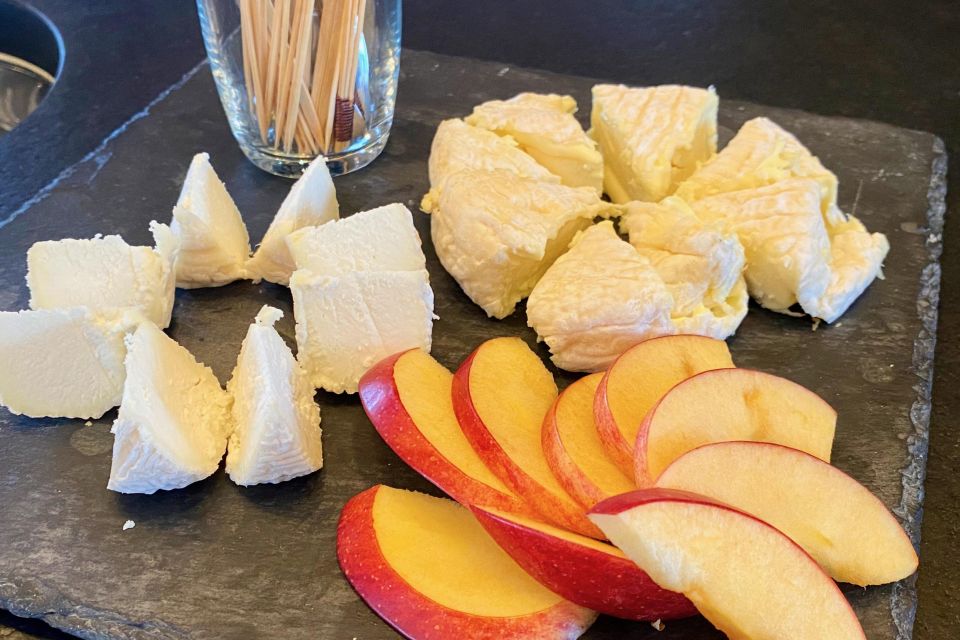
- Cheese at Jean-Marc Brocard: it helps you taste acidity and texture more clearly
- Château de Pommard with a sommelier: focused commentary on Pinot Noir and Burgundy terroir
- Mercedes transport + bottled water: comfortable for a 13.5-hour day, with rest stops built in
- English driver and skip-the-line access: fewer logistics headaches, smoother flow
From Paris to Chablis: the long highway part (and how to handle it)
The day starts early. You’re picked up at your hotel or Airbnb around 07:30, then you head toward Chablis, roughly 190 km away and about 2.5 hours by highway, with one rest-area stop. It’s a classic “wine road” reality: Burgundy from Paris is a day trip only if you’re okay with sitting, then tasting, then sitting again.
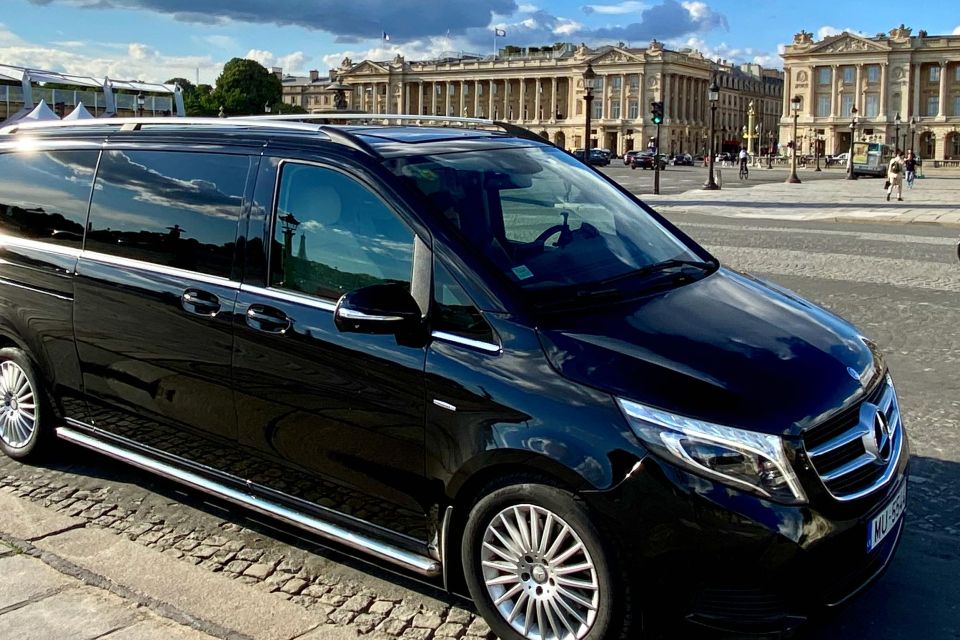
The ride is part of the value here. You’ll be in a Mercedes E220/E300 or a Mercedes minivan, and the group stays small (limited to 7 participants). That matters because a small group keeps the tasting schedule tight and helps you hear the explanations when the guide is talking.
Practical tip: wear comfortable shoes even if you think this is “just sitting.” You’ll walk inside vineyards/caves and move between rooms, plus you’ll likely linger near tanks or tasting counters. And since food isn’t allowed in the vehicle, plan to eat either before pickup or during your lunch window.
You can also read our reviews of more wine tours in Paris



Jean-Marc Brocard in Chablis: caves, process, and comparing Grand Cru levels
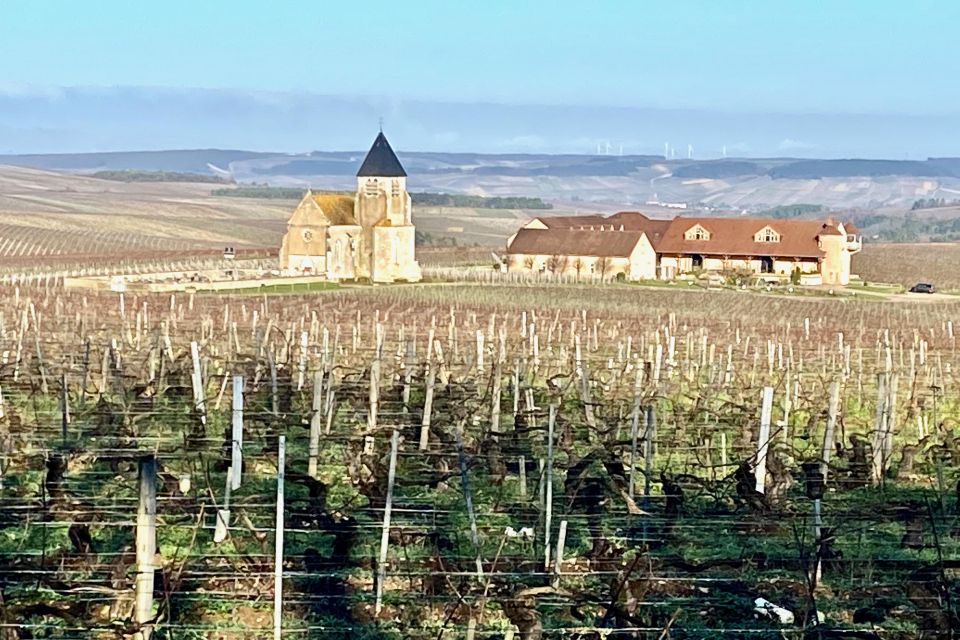
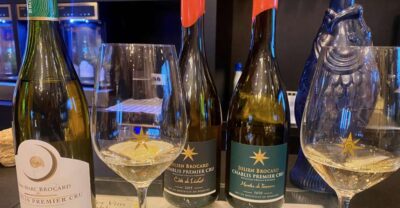
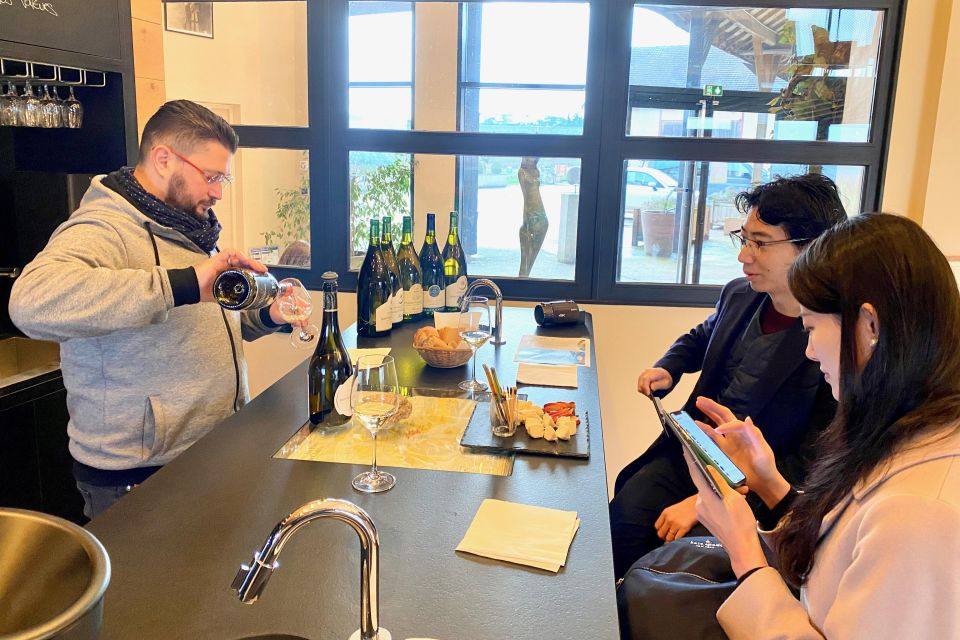
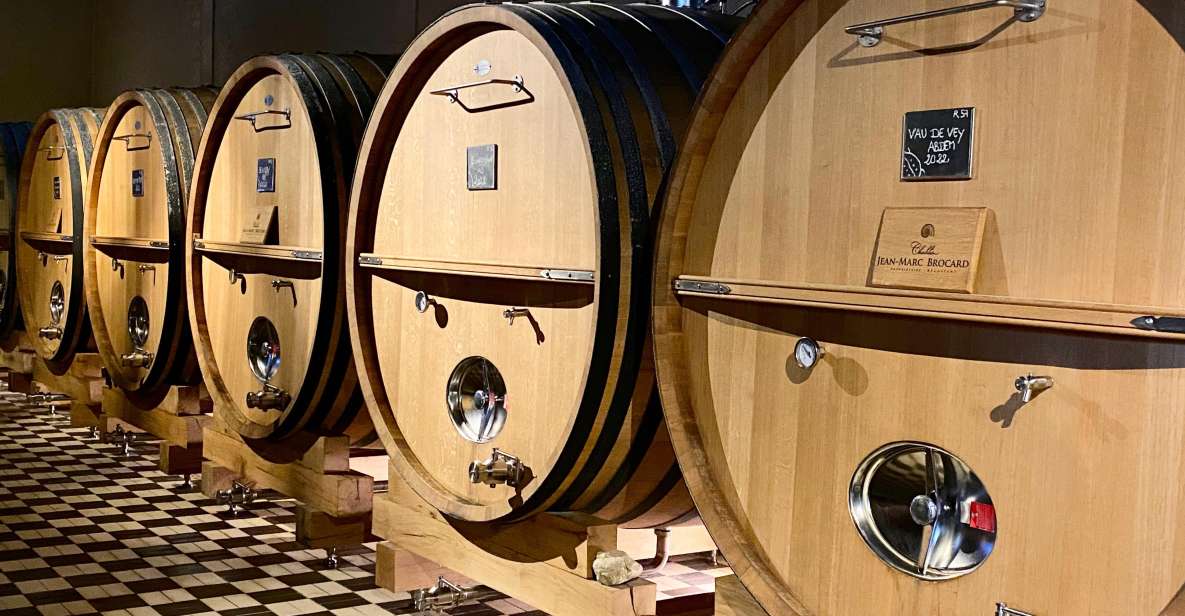
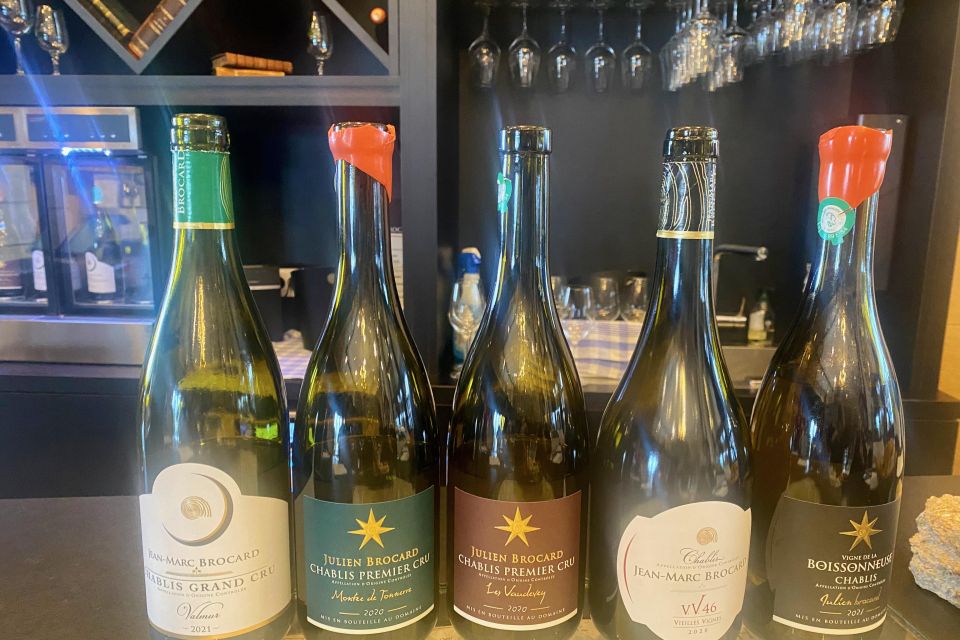
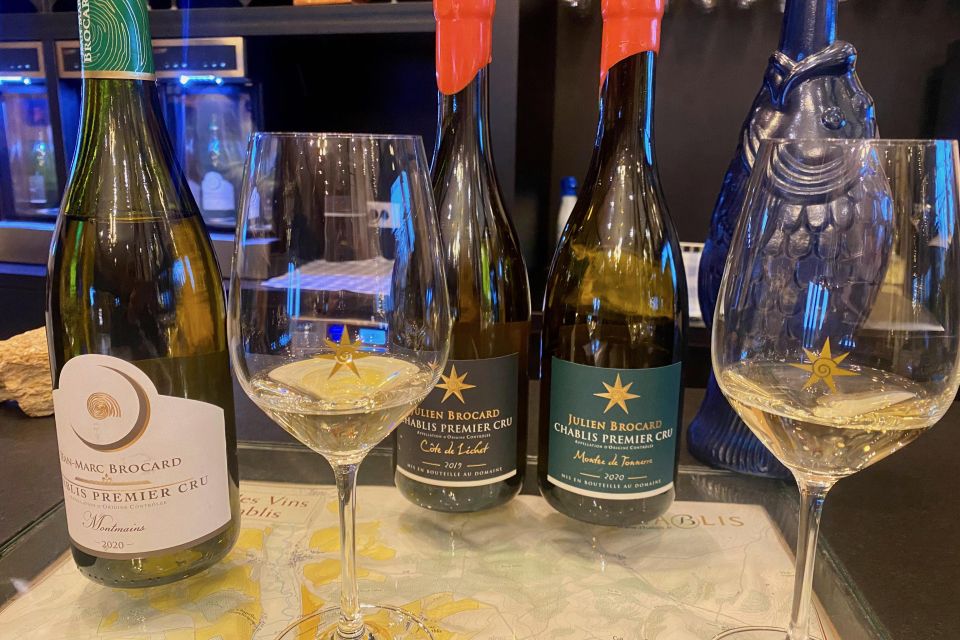
Your first real wine stop is Jean-Marc Brocard, in the Chablis area around 10:00–11:15. You’ll tour the domaine surrounded by vineyards, then do a cave visit and taste 5 wines—including Chablis, Chablis 1er Cru, and Chablis Grand Cru—paired with a cheese plate.
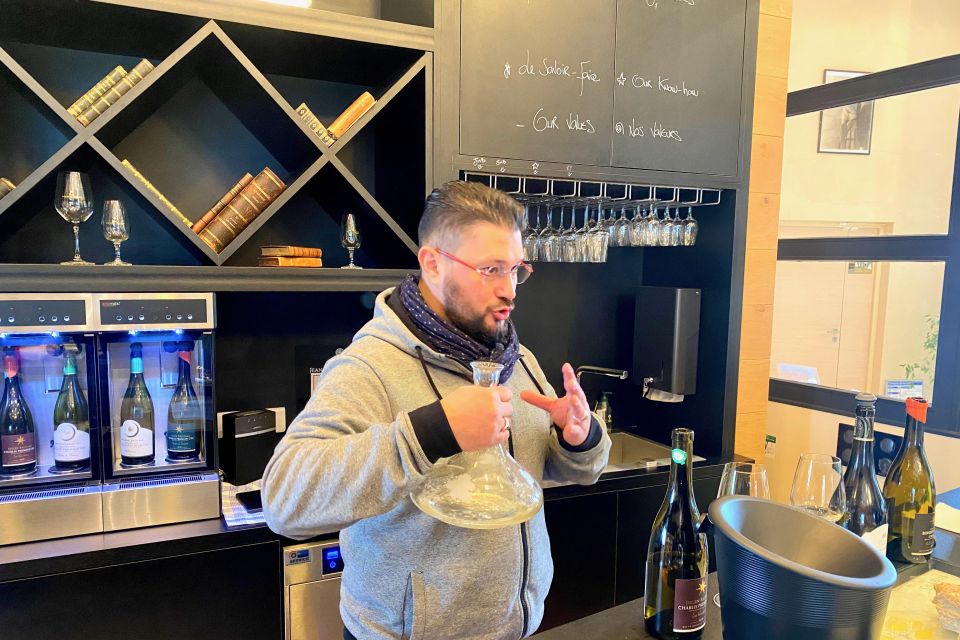
This is one of the best parts of the day because it turns Chablis into a set of comparisons you can actually hold in your head. The staff explains the winemaking process in Chablis and points out the differences between the appellations. You’re not just tasting; you’re building a map of how the style changes when you move from village-level to higher-status plots.
Here’s what you should listen for during the tasting. Chablis whites are all about Chardonnay, but “Chablis” vs “1er Cru” vs “Grand Cru” can come through as differences in intensity, balance, and the way the wine finishes. The cheese helps too. Even if you don’t know your palate vocabulary yet, the pairing makes it easier to notice texture and acidity rather than just chasing flavor.
One small consideration: this stop is about learning. If you’re hoping for a purely relaxed, scenic stroll with zero structure, you might find it a bit educational and timed. Still, that structure is what makes the rest of the day feel easier, because you’ll carry those Chablis comparisons into the next tasting.
Chablis village lunch: free time plus an optional reserved meal
After the first tasting, you head to Chablis village. You get roughly 12:00–13:30 for lunch break or free time. You can roam the small town on your own, or you can have a reserved gastronomic lunch (you pay directly at the restaurant).
This is your decompression moment. The morning is all about caves and glasses; the village block lets you reset before the second tasting. If you enjoy wandering, aim for a slower pace—your feet will thank you later when you’re moving around the château.
If you’re traveling on a Sunday, there’s a special wrinkle. The domaine Jean-Marc Brocard is closed on Sundays, so the operator offers different Chablis domaine visits, and there’s an option to visit a local food market in Chablis. If you care about local food as much as wine, Sunday can add extra texture to the day—just keep in mind the wine stops may change.
Second Chablis tasting at a local producer: building a full range in 60 minutes
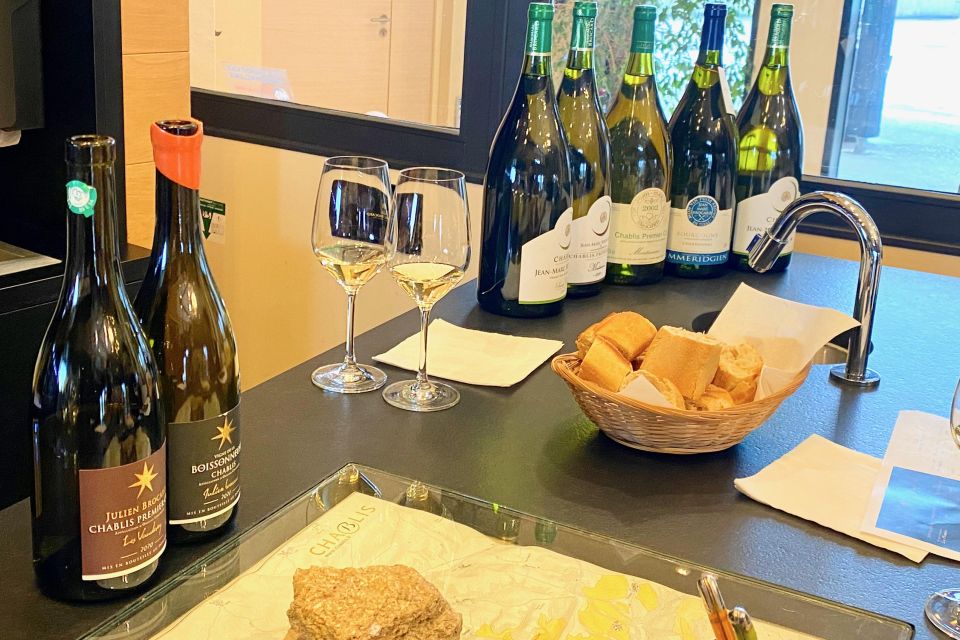
At about 13:30–14:30, you’ll do a second guided tasting at one of two choices: Domaine Céline et Frédéric GUEGUEN or Baptiste. This tasting is also 5 wines, but the lineup includes Petit Chablis, Chablis, Chablis Premier Cru, and Chablis Grand Cru.
This second stop is where the “education” starts to click. Having tasted up through Grand Cru already, you can now compare the full range from entry-level through top-tier styles. Petit Chablis in particular is useful because it often gives you a baseline for what the region does at a more accessible level.
You’ll get a clearer sense of Burgundy’s logic: classification isn’t just a label; it’s a way of describing where grapes grow and what the wine expresses. Even if you don’t memorize every detail, you’ll likely remember how the wines felt across the scale—lighter, more immediate, or more structured depending on the tier.
One more practical note: this is still a tasting-heavy schedule. That means the lunch block isn’t just about food—it’s your chance to catch up on energy before your next set of sips. If you’re the type who needs a real meal to enjoy wine, don’t skip it just because the cheese plate existed earlier.
Château de Pommard: Pinot Noir, terroir lessons, and the Route des Grands Crus
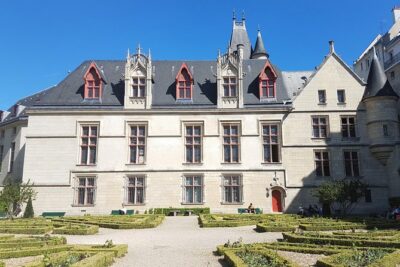
The afternoon shifts gears. You travel about 135 km from Chablis toward the Beaune area, arriving at Château de Pommard around 16:00. The château itself is one of Burgundy’s famous domaines, set close to Beaune and surrounded by vineyards.
From roughly 16:00–17:30, you’ll enjoy a guided visit and taste 5 wines from Château de Pommard and Famille Carabello-Baum, under a theme connected to La Route des Grands Crus. You’ll taste a selection that includes Burgundy styles from 1er Cru and Grand Cru, and you’ll do it with a professional sommelier.
This is where you’ll likely learn the bigger picture: Burgundy’s star grapes—Pinot Noir and Chardonnay—express themselves differently across villages and terroirs. The guide explains Burgundy’s five subregions and how natural factors influence taste, plus how classifications work.
What I like about ending here is that it prevents your day from becoming only Chablis-focused. By tasting both Chablis Chardonnay and then Pommard wines (where Pinot Noir tends to be the center of gravity), you get a built-in contrast. It’s easier to understand Burgundy once you’ve tasted two different grapes and two different approaches to terroir.
Also, a château visit tends to bring a different kind of authority than a smaller producer room. You get that structured “Burgundy logic” talk, and the sommelier can tailor commentary to what you tasted earlier.




The timing, group size, and comfort factors that matter
The full day runs 810 minutes—about 13.5 hours—including transport in both directions. You leave Paris around the early morning, then return to Paris around 21:00, with a rest-area stop on the way back too. That’s a long day, so your best strategy is to treat it like a planned experience, not a casual outing.
Small-group format matters here. With a maximum of 7 participants, you keep the pace under control. You’re also more likely to ask questions during tastings instead of shouting over the group.
You’ll also benefit from the practical touches: hotel pickup and drop-off are included, English-speaking driver, and skip the ticket line. Bottled water is provided, so you’re not hunting for supplies between stops.
A couple “fit” points to know up front:
- Not suitable for children under 6
- Not suitable for wheelchair users
- No food in the vehicle
- No alcohol/drugs in the vehicle (tastings happen at the domaines)
If you’re someone who hates long driving days, this may not be your style. But if you’re okay with a full schedule and you want an organized tasting route, the comfort and structure help a lot.
Price and value: what $501 buys on a day like this
The price is $501 per person, and it’s not cheap—so you should judge it by what you get, not by the label. Here’s what you’re buying:
- Transport in a Mercedes E220/E300 or Mercedes minivan with hotel pickup/drop-off
- All fees and taxes
- Bottled water
- Guided tastings at three domaines with 15 glasses total
- A cheese plate
- A professional sommelier during the Château de Pommard tasting
- English driver and skip-the-line access
The biggest value component is the combination of transport + access + guided structure. If you tried to build this yourself, you’d spend time coordinating drives, tickets, and tasting slots. Here, you get a ready-made route that lines up Chablis and Pommard in one go.
The main money gap is food. Meals and drinks are not included. You’ll have the lunch window in Chablis where you might choose an optional reserved gastronomic lunch and pay for it directly. So when you budget, plan for lunch and any snacks you want before/after.
On the “worth it” scale, I think this works best for two types of people: first-timers who want a guided taste education, and wine lovers who prefer consistency over planning. If you already know how to book tastings and you love driving yourself, you could spend less. If you want a day where everything is handled and you’re comparing wines side-by-side, this is priced like convenience with real wine content attached.
Who should book this Chablis to Pommard day
Book it if:
- You want a structured introduction to Chablis classification (Petit Chablis up through Grand Cru)
- You like learning the “why” behind taste, not just drinking wine
- You’d rather do one organized day than chase multiple reservations across Burgundy
- You want comfortable group transport for a long day from Paris
Consider skipping if:
- You’re sensitive to long road time (it’s a full 13.5-hour day)
- You want lots of independent free time
- You need wheelchair access or are traveling with very young kids
This itinerary is also ideal if you’re going with someone who drinks and someone who’s still learning. The tastings provide a guided framework, and the cheese pairing plus the range of wines makes it easier to discuss what you’re tasting without needing advanced wine jargon.
Should you book it? My decision rule for you
If your goal is to come away with clearer understanding of Burgundy’s classifications and how Chardonnay and Pinot Noir express terroir, I’d say yes—this is a straightforward, high-input tasting day with real guidance and convenient transport.
If your goal is a relaxed countryside day with lots of wandering and museum time, this might feel too heavy on tastings and too light on downtime. In that case, you’d probably be happier with something shorter or more focused on one area.
For most people choosing between “self-planning” and “guided structure,” the deciding factors are simple: 15 glasses across the range, three domains, and door-to-door Mercedes transport. That combo is exactly what makes the price feel more reasonable once you add up the time and coordination it saves you.
FAQ
How many wine tastings and glasses are included?
You’ll do three guided tastings at three domaines, for a total of 15 wine glasses. Jean-Marc Brocard includes 5 Chablis wines with a cheese plate, and the second tasting includes 5 wines ranging from Petit Chablis to Grand Cru. The Château de Pommard visit includes 5 wines as well.
What time does the day start and when do you return to Paris?
Pickup is in the morning, around 07:30, and the full day runs 810 minutes (about 13.5 hours). The schedule has you arriving back in Paris around 21:00.
Is lunch included?
Meals are not included. You’ll have time in Chablis village (about 12:00–13:30) for lunch break or free time, and a gastronomic lunch can be reserved for you, but you pay directly at the restaurant.
What kind of transport is used?
You travel in a Mercedes E220/E300 or a Mercedes minivan, depending on group size. Hotel pickup and drop-off are included, and bottled water is provided.
Do I need to speak French?
No. The driver is English, and tastings are guided in a way that fits an English-speaking group.
Is there free cancellation?
Yes. You can cancel up to 24 hours in advance for a full refund.
If you tell me your travel dates and whether it’s a Sunday (since Brocard changes), I can help you sanity-check whether the long day fits your style and what to budget for lunch.